Circular Economy

Industry as a Driving Force of the Circular Economy
Closing material cycles in a holistic manner is a key factor in sustainable economic activity and, consequently, in achieving climate goals. As an industrial hub, Germany has enormous potential, thanks to its high level of technological expertise, to become a leading provider of new technologies that enable the economically viable recycling of used raw materials while reducing dependence on raw material imports.
The BDI Circular Economy Initiative, founded in April 2021, currently comprises a network of approximately 60 stakeholders spanning the entire industrial spectrum. It serves not only as a political voice in Berlin and Brussels but also holistically drives the circular economy from product development through to recycling. Through practical forums for exchanging ideas on political, scientific, and technological developments—such as internal workshops, delegation trips, and events—it identifies technological opportunities for the circular economy as well as the necessary framework conditions.


BDI-Initiative Circular Economy on Social Media
-
Rethinking Value Creation with Dr. Johannes F. Kirchhoff
For the 21st legislative term, the BDI Circular Economy Initiative has published a position paper outlining key policy recommendations for strengthening Germany as a hub for circular industry. In connection with this, the Initiative’s Chairman and Managing Partner of the Kirchhoff Group, Dr. Johannes Kirchhoff, shares his views in a short interview. For him, a central priority over the next four years is unlocking new market opportunities through circular business models.
-
Digitalization as an Enabler of the Circular Economy
The digital transformation of production, products, and services is taking place worldwide. The positive synergy between digital technologies and data utilization, combined with the ongoing development of the circular economy, should not be viewed as merely an add-on to the circular economy, but rather as one of the key enablers for closing loops between and within the various stages of the value chain.
-
Five “Must-Dos” for a Practical EU End-of-Life Vehicles Regulation
With its proposal for an End-of-Life Vehicles Regulation, the European Commission aims to prepare the automotive sector for the circular economy. But how can this transformation be achieved? Here are our five “must-dos” for a successful End-of-Life Vehicles Regulation.
-
Europe on Its Way to Becoming a Leader in Circularity for Packaging
For years, the European Union (EU) has seen an increase in the absolute volume of packaging waste. In 2020, for example, approximately 79 million metric tons of packaging waste were generated, which corresponds to about 177 kg per capita. According to the Commission, without additional policy measures, there will be a further 19 percent increase by 2030. The goal is now to reverse this trend.
-
Companies with Circular Business Models are More Successful
According to a study published by the German Economic Institute (IW) in May 2022, one quarter of Germany’s manufacturing sector already implements a single circular strategy. The study by Adriana Neligan and Sarah Fluchs (IW) shows that companies pursuing at least one circular strategy are more successful than their non-circular competitors. Taking LANXESS as an example, we look at how this works in practice.
-
Circular Economy: We Must Join Forces
The transformation of material cycles through the circular economy is gaining momentum across the globe. Steven Stone of the United Nations Environment Programme (UNEP) explains why no country can achieve the goals of the 2030 Agenda, the Paris Agreement, or the European Green Deal on its own, and why international cooperation is essential. The practical implementation of circularity is illustrated by the example of the German industrial company Aurubis.
-
How the Circular Economy Protects the Climate
For German industry, climate protection and the circular economy go hand in hand. As a result, opportunities for reducing greenhouse gas emissions are increasingly emerging across all sectors. Experts Philipp Schlüter of TRIMET, Herwart Wilms of REMONDIS, and Markus Steilemann of Covestro explain why it is important to closely examine value creation cycles for effective climate protection.
-
The “Digital Product Passport” Under Scrutiny
Access product information across the entire value chain with just a few clicks. Whether the European Commission’s plans for greater circularity will succeed depends on proper implementation—including in German industry. In conversation with Christine Bunte of BASF and Christian Dworak of BSH.


Team


Jury Flickenschild
Project Manager Energy, Transport and Environment
Industrie-Förderung Gesellschaft mbH


Claas Oehlmann: Managing Director of the BDI-Initiative Circular Economy
Viktoria Otte: Raw Materials & Logistics for the Circular Economy
Jury Flickenschild: Standardization & Digitalization for the Circular Economy
Susanna Minato-Torkler: Climate Action & Accounting in the Circular Economy
















































Highlights from Our Events
-
BDI Rohstoffkongress 2022 © BDI -
-
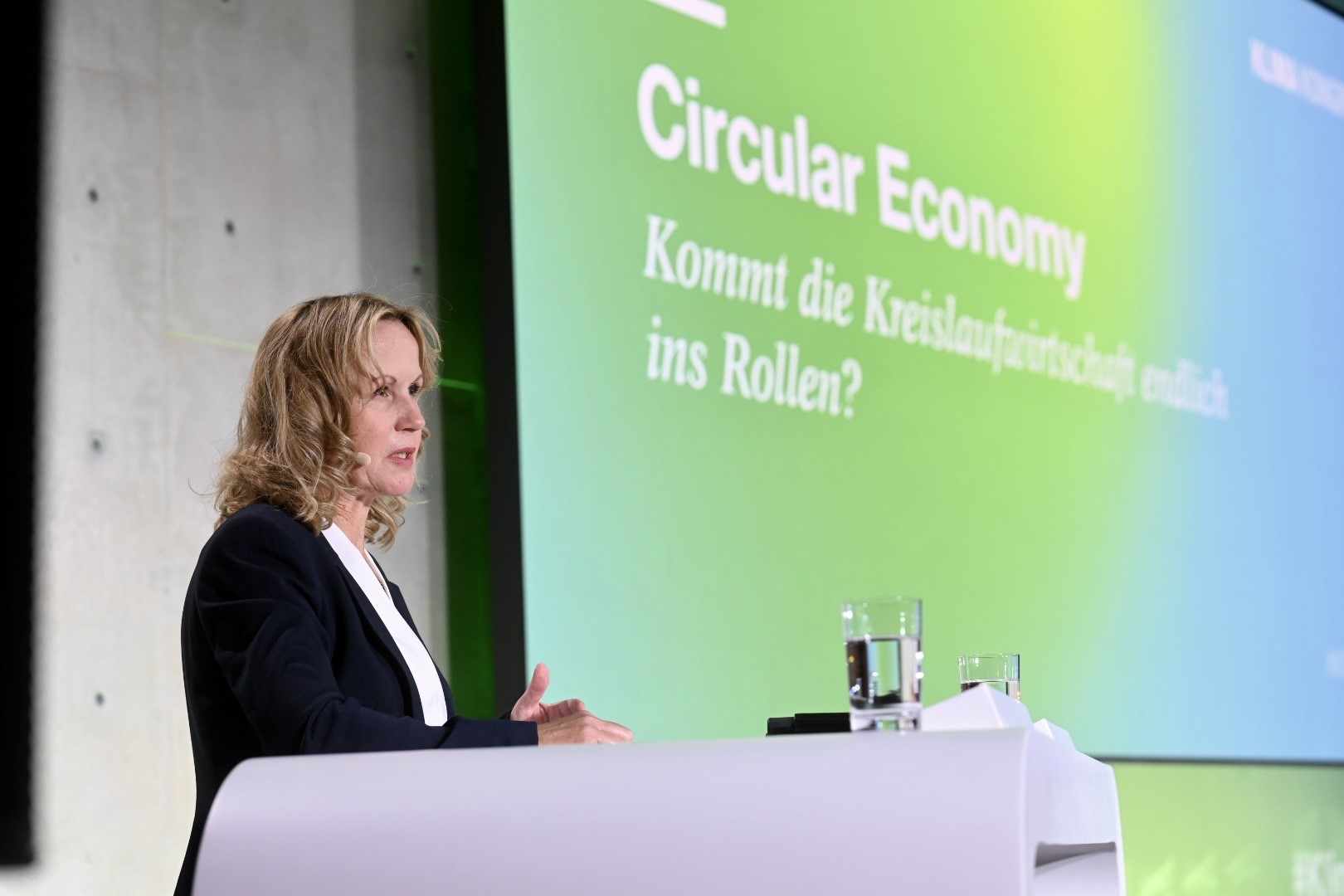
Steffi Lemke hält einen Impuls zur Circular Economy auf dem BDI-Klimakongress 2022 @ChristianKruppa -
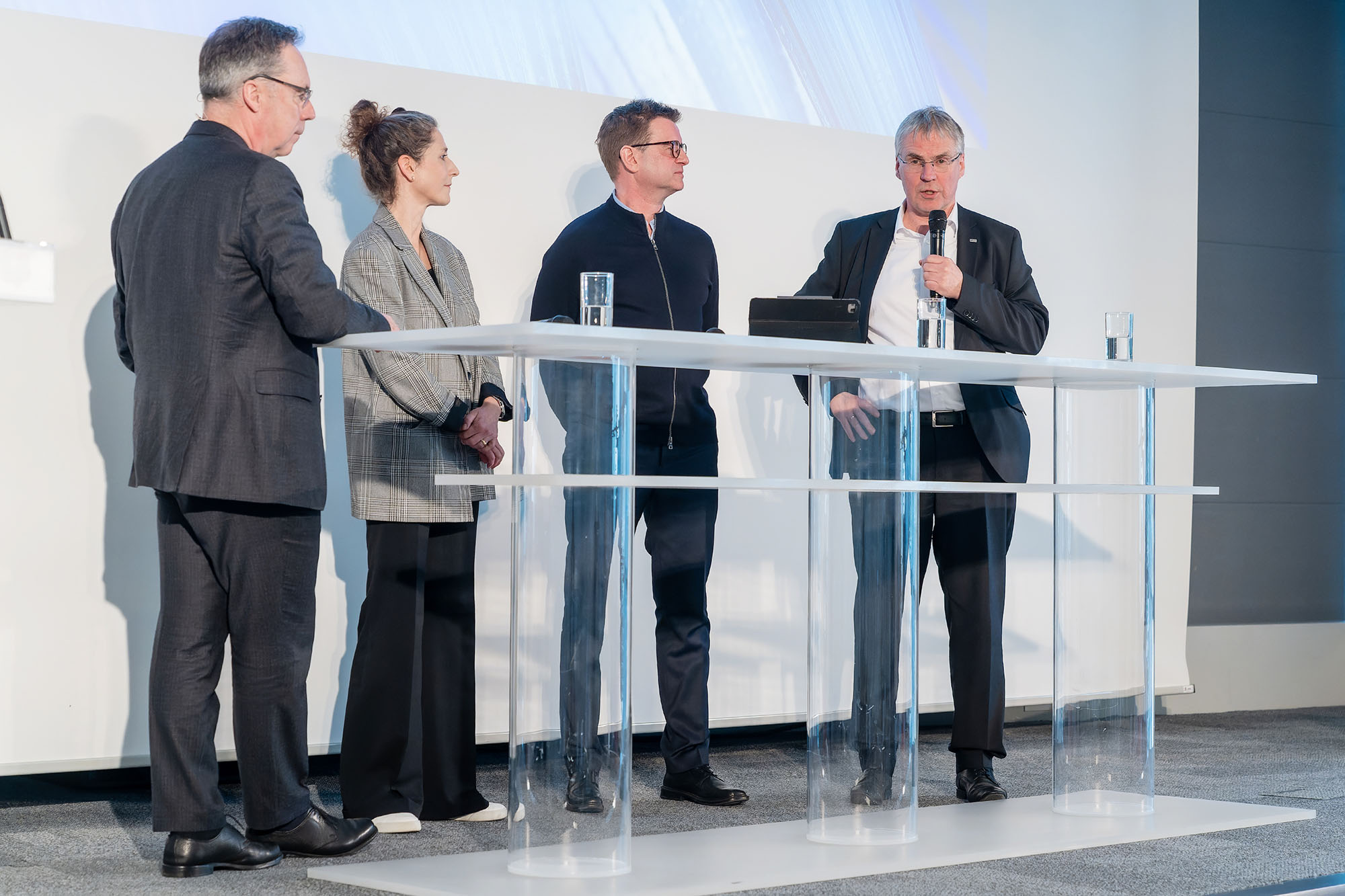
Diskussionspanel „Cloosing The Loop: Wertschöpfungschance Zirkularität“ auf der Hannover Messe 2023 zusammen mit Dr. Susanne Kadner, Klaus Lützenkirchen, Prof. Dr. -Ing. Holger Hanselka und Holger Lösch. ©BDI -
Deep Dive "Die Digitalisierung der Circular Economy" © BDI -
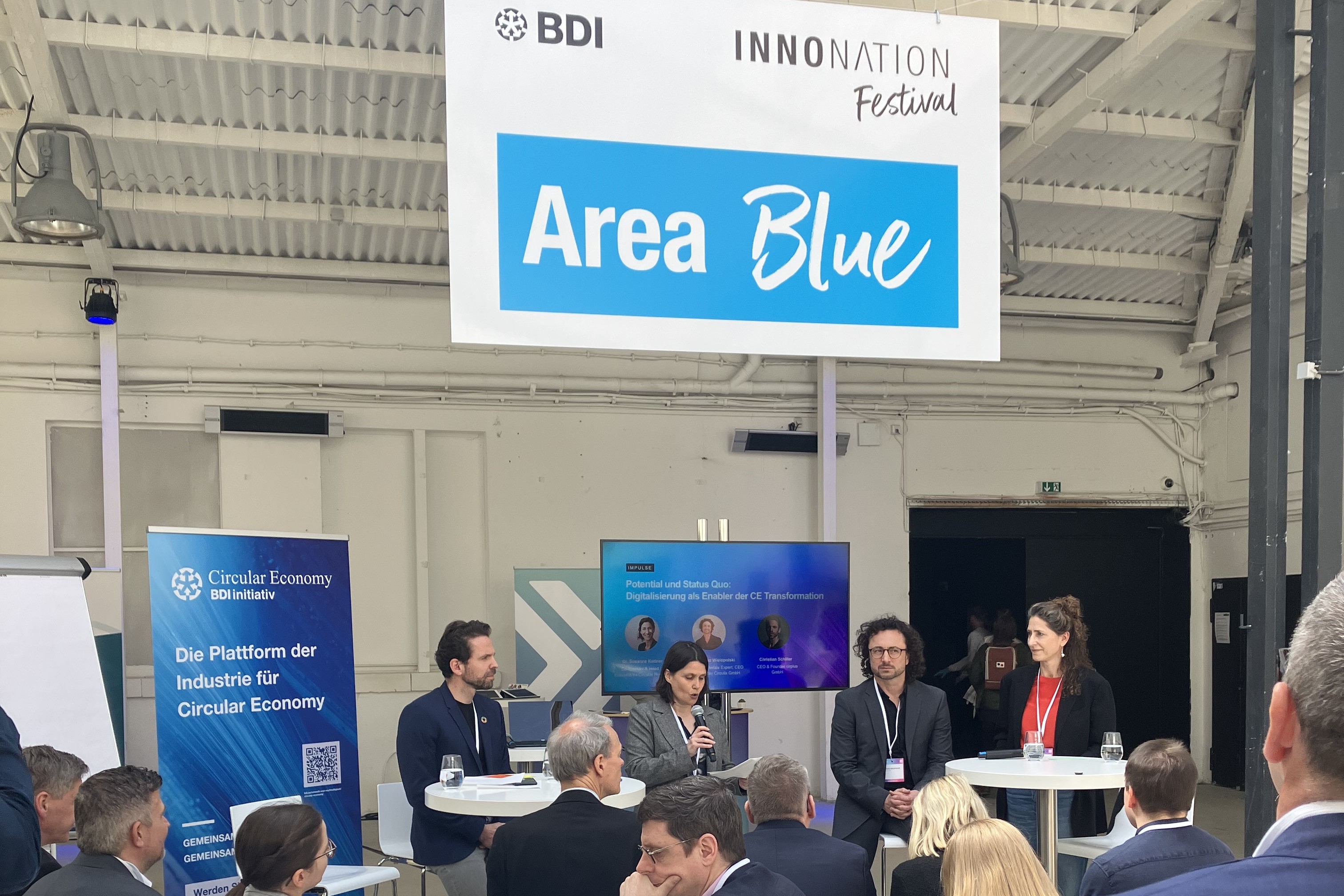
Deep Dive auf der InnoNation 2023. ©BDI -
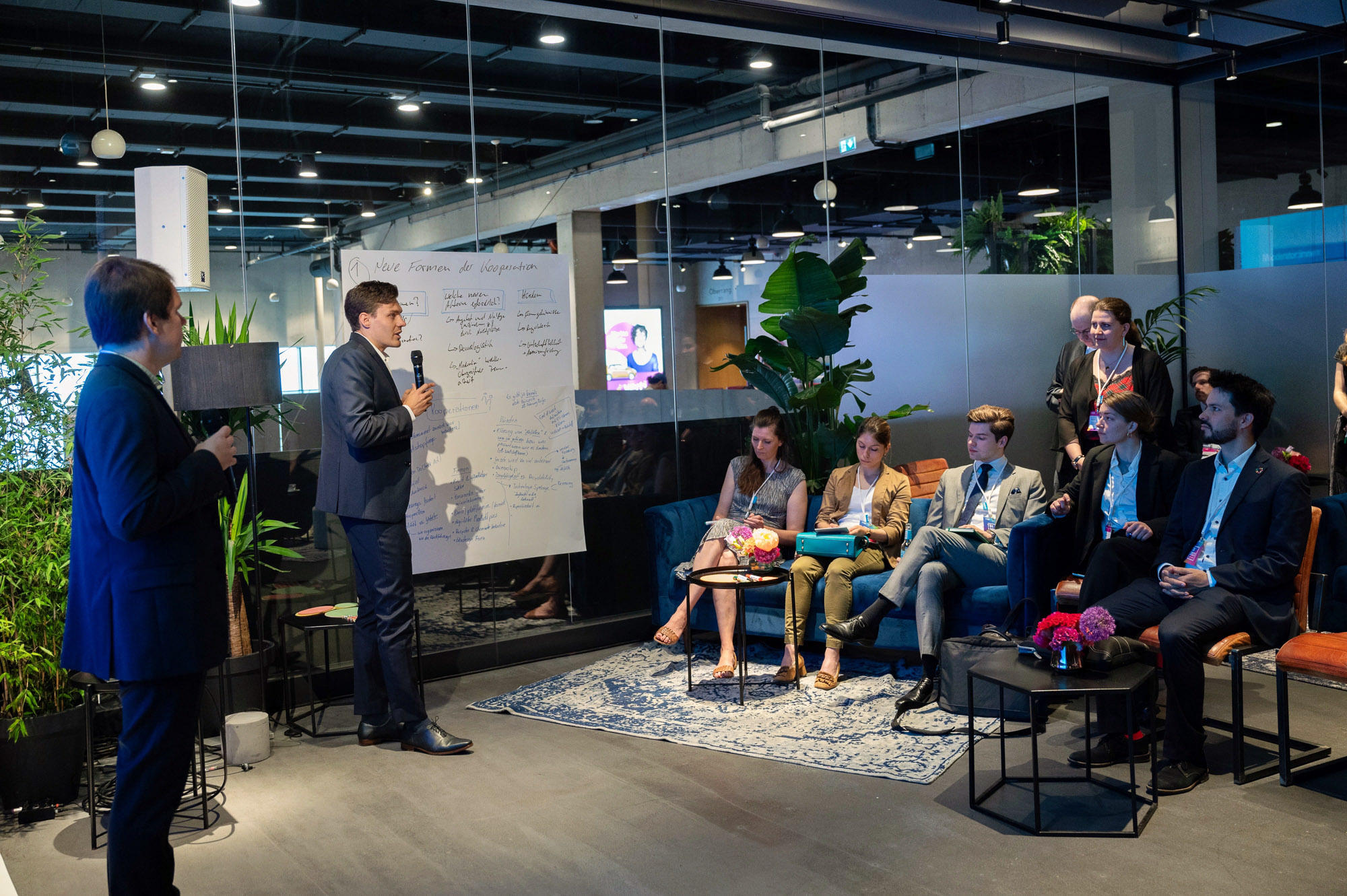
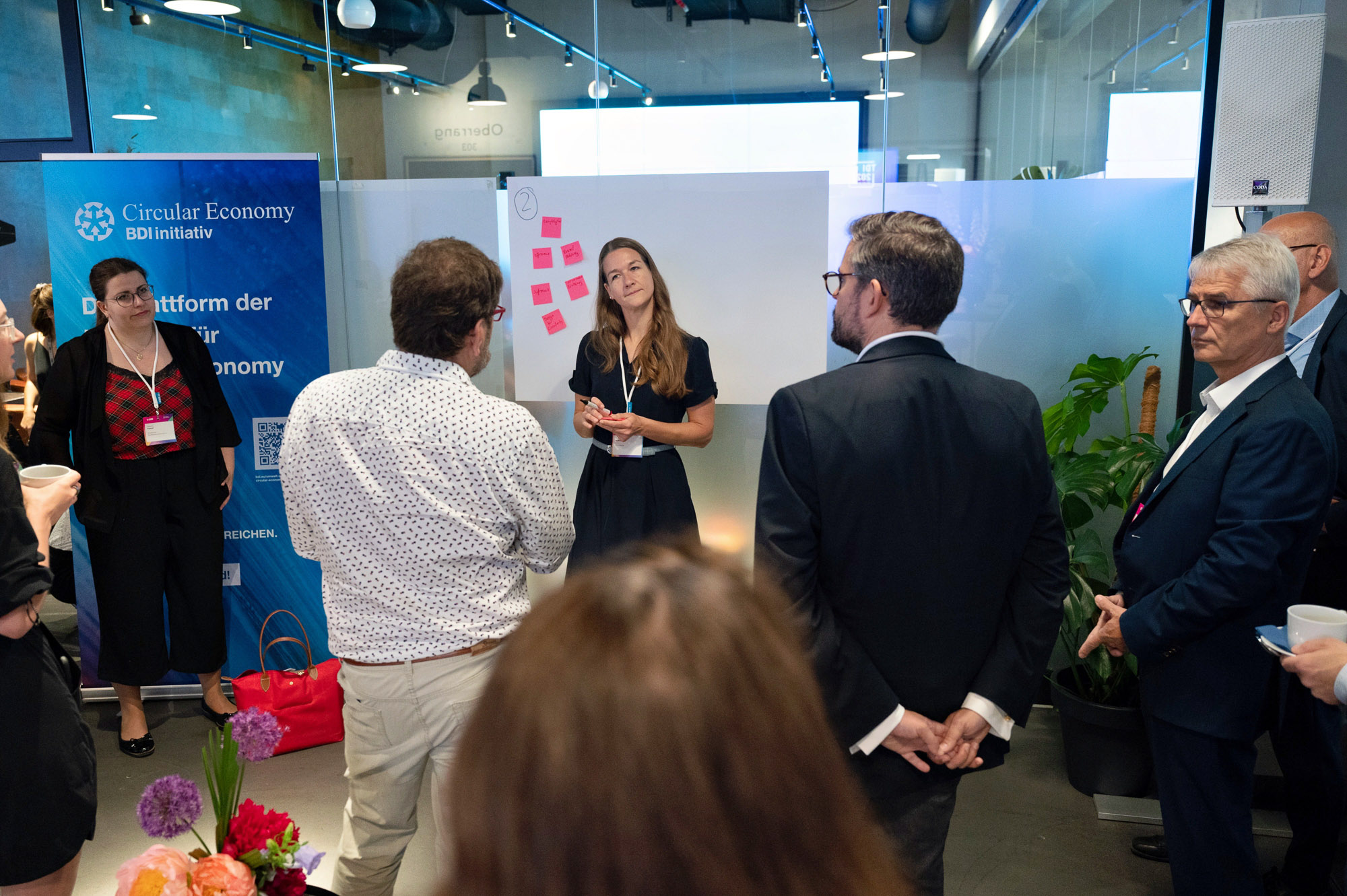
Auf dem TDI 2023 diskutierten wir in zwei Gruppen: Welchen Wert brauchen unsere Ressourcen? Und, wie kooperieren für die Circular Economy? @BDI -
Workshop auf dem TDI 2023 mit Marianne Kuhlmann, Ilka Stein und Niclas Alexander Mauss in der Moderation. @BDI -
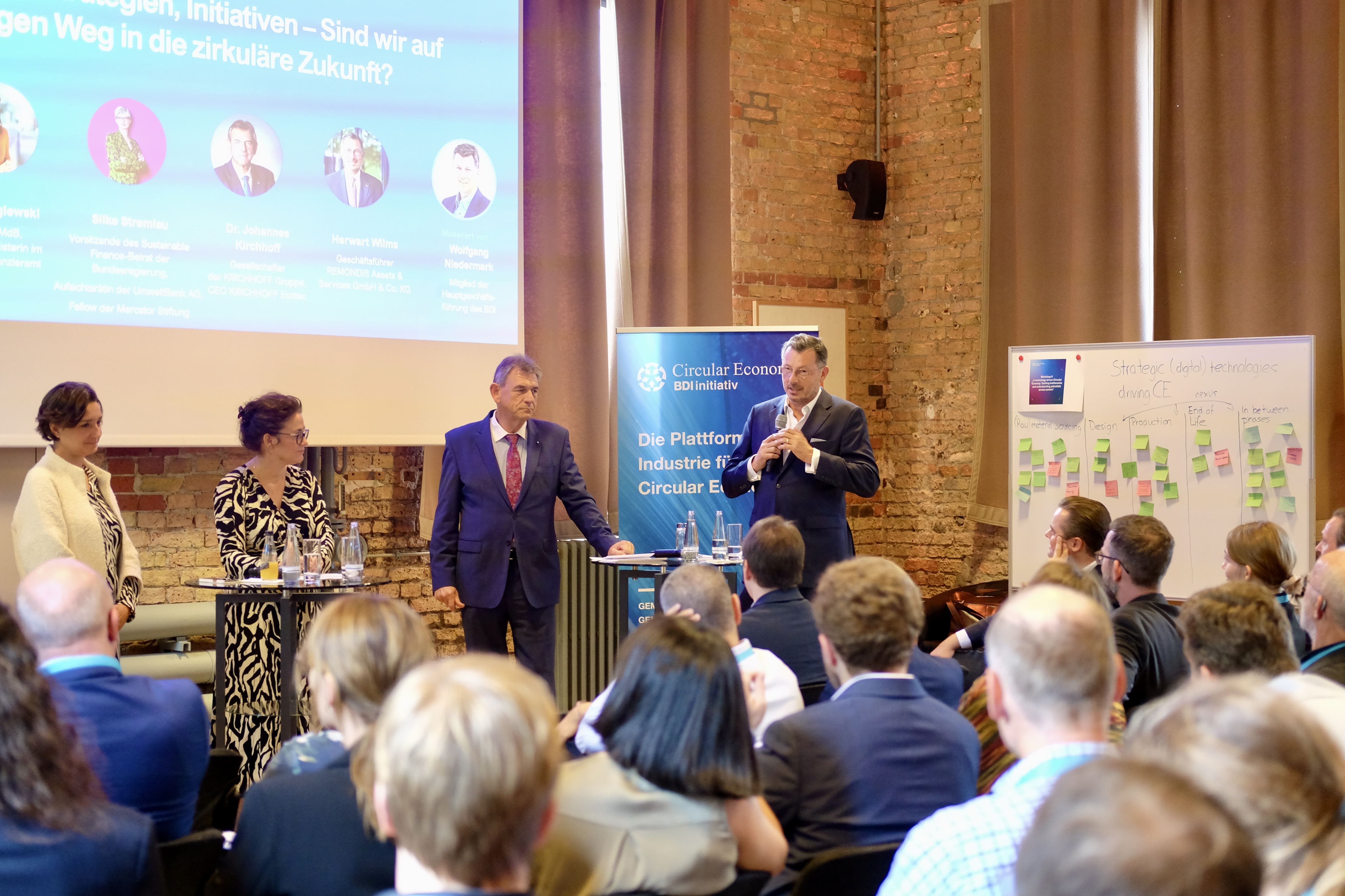
Paneldiskussion auf der Jahreskonferenz 2023 zusammen mit Sarah Ryglewski, Silke Stremlau und Dr. Sandra Detzer. @LenaDaun -
Jahreskonferenz BDI-ICE 2023 @LenaDaun -
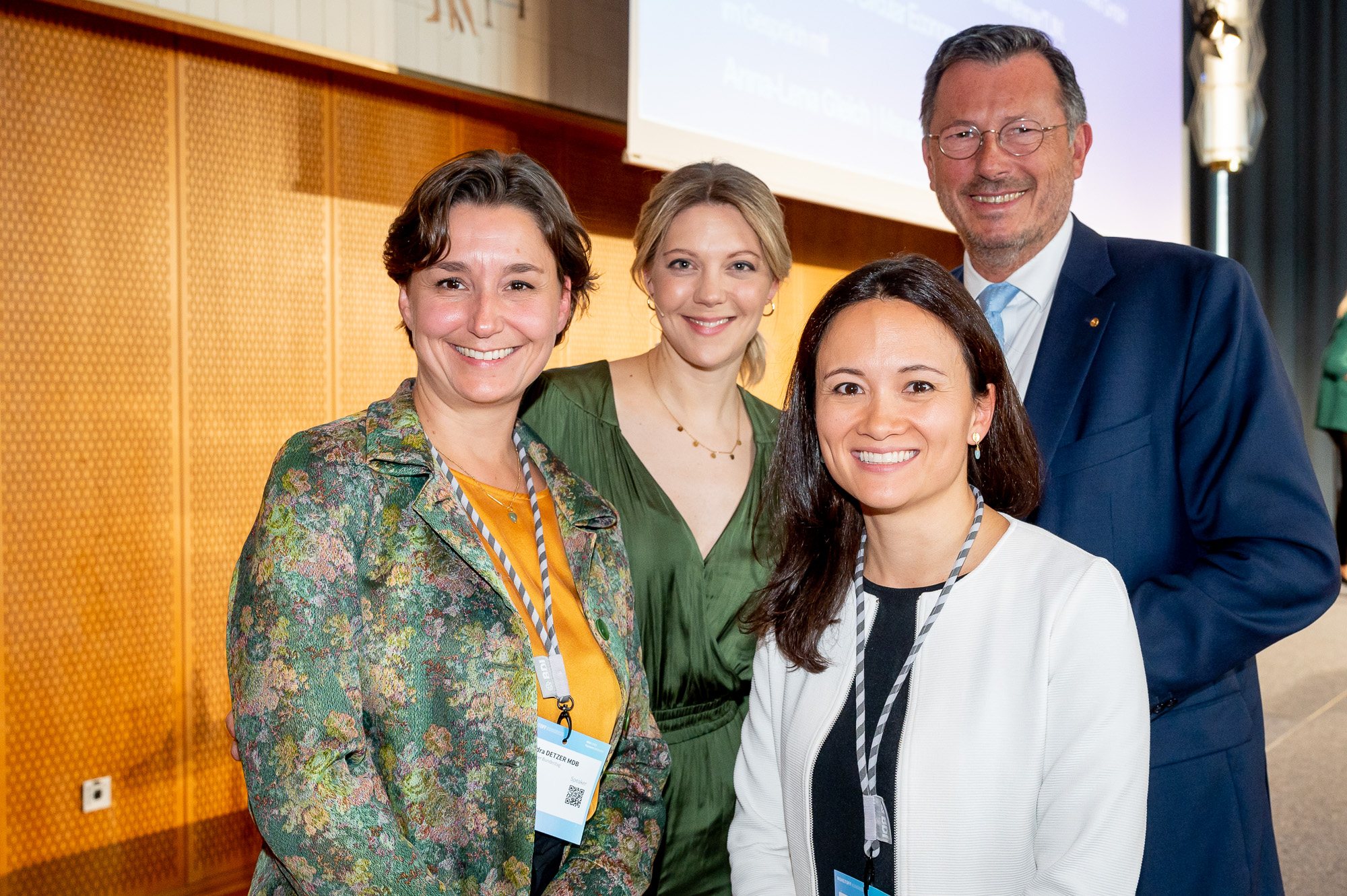
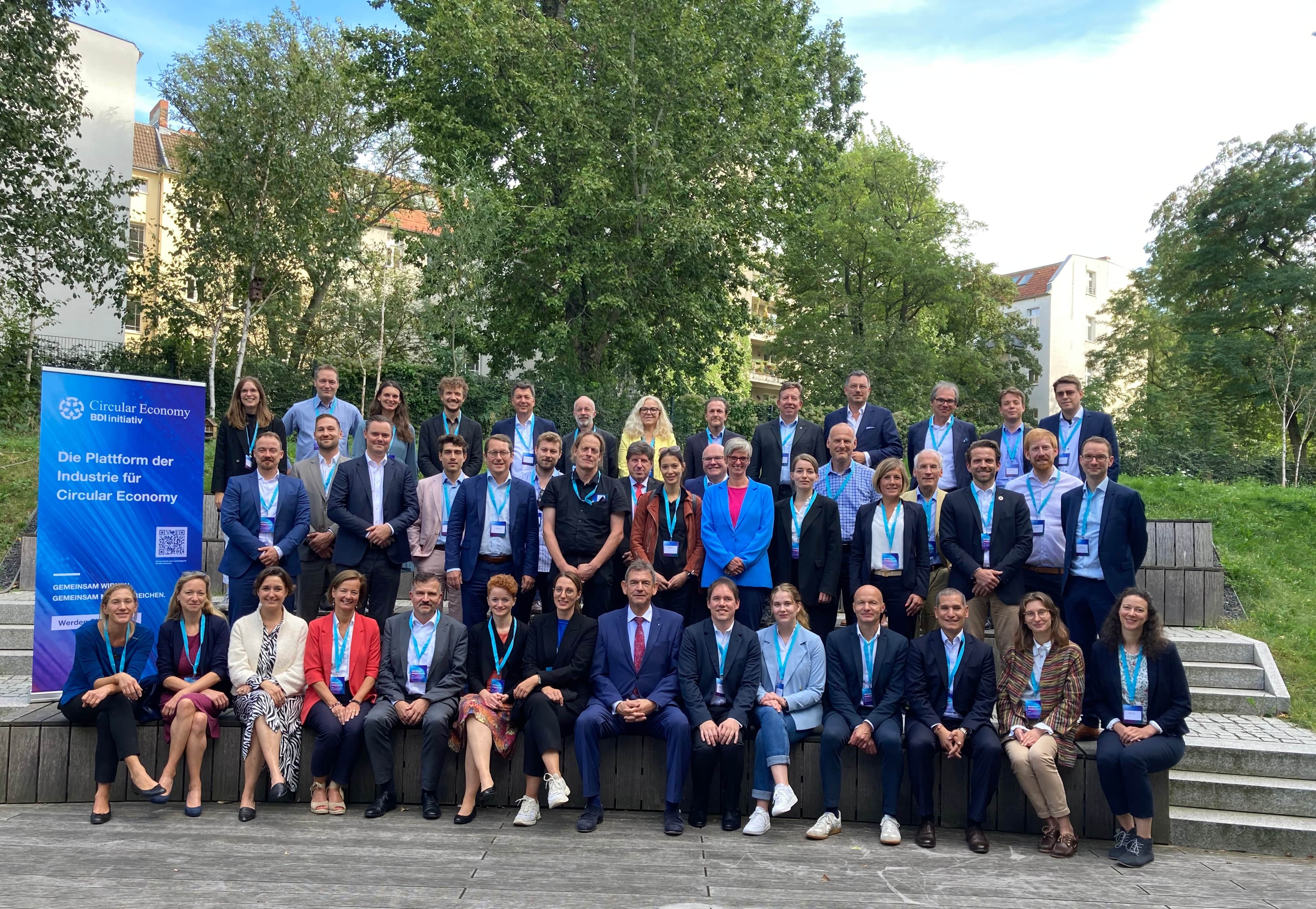
Gruppenfoto auf der BDI-ICE Jahreskonferenz 2023. @LenaDaun -
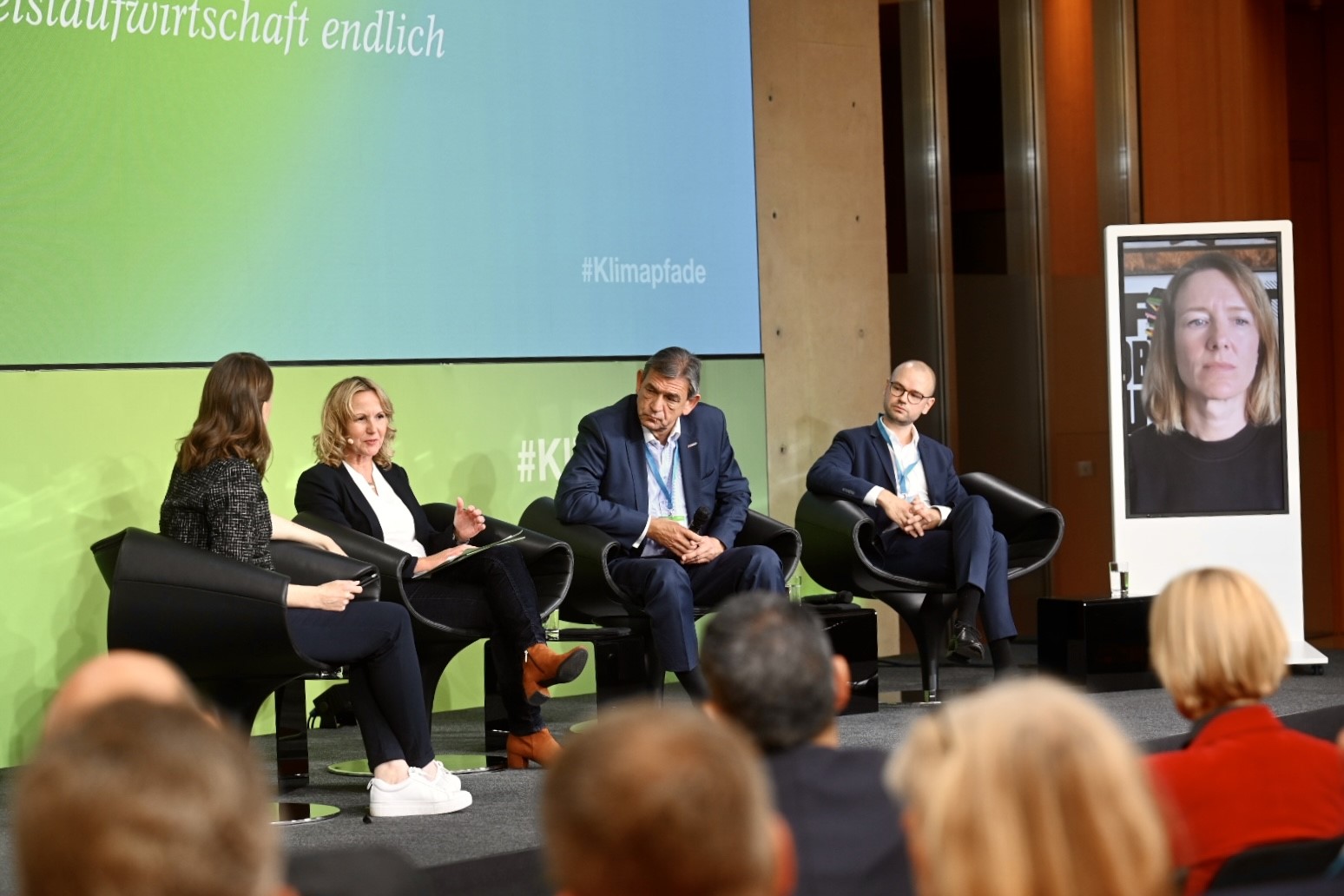
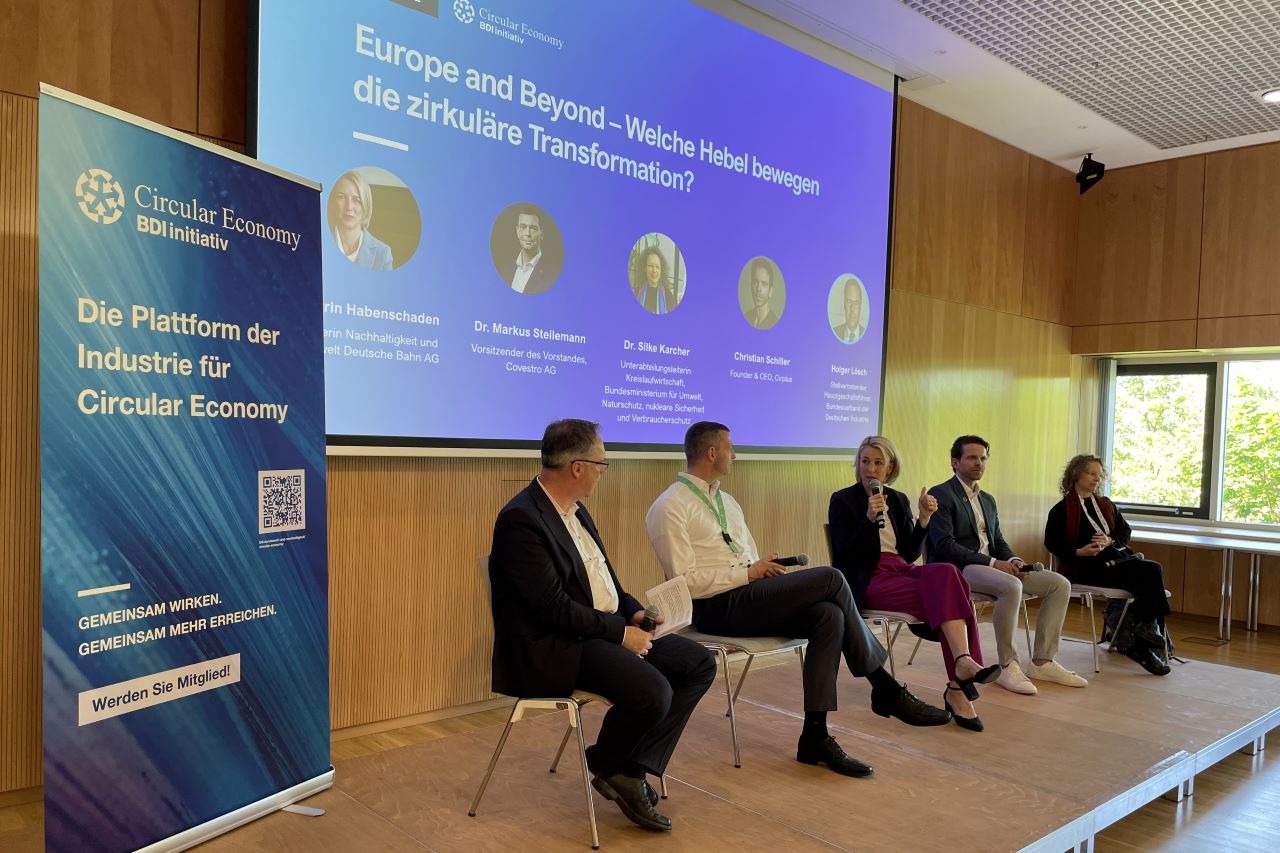
Paneldiskussion mit Dr. Markus Steilemann, Katrin Habenschaden, Christian Schiller, Dr. Silke Karcher und Holger Lösch während der BDI-ICE Mitgliederkonferenz auf der IFAT 2024. -
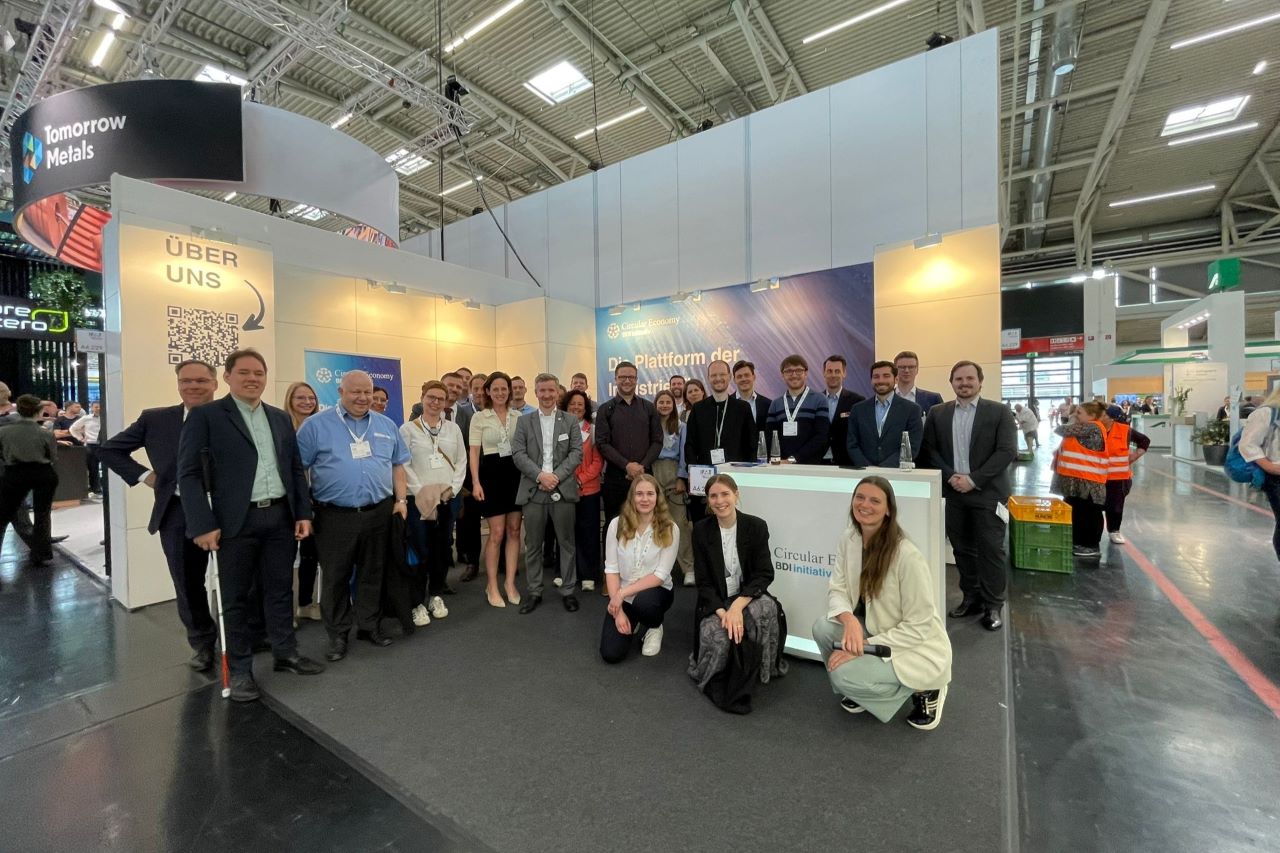
Die BDI-Initiative während der Mitglieder-Tour auf der IFAT 2024. -
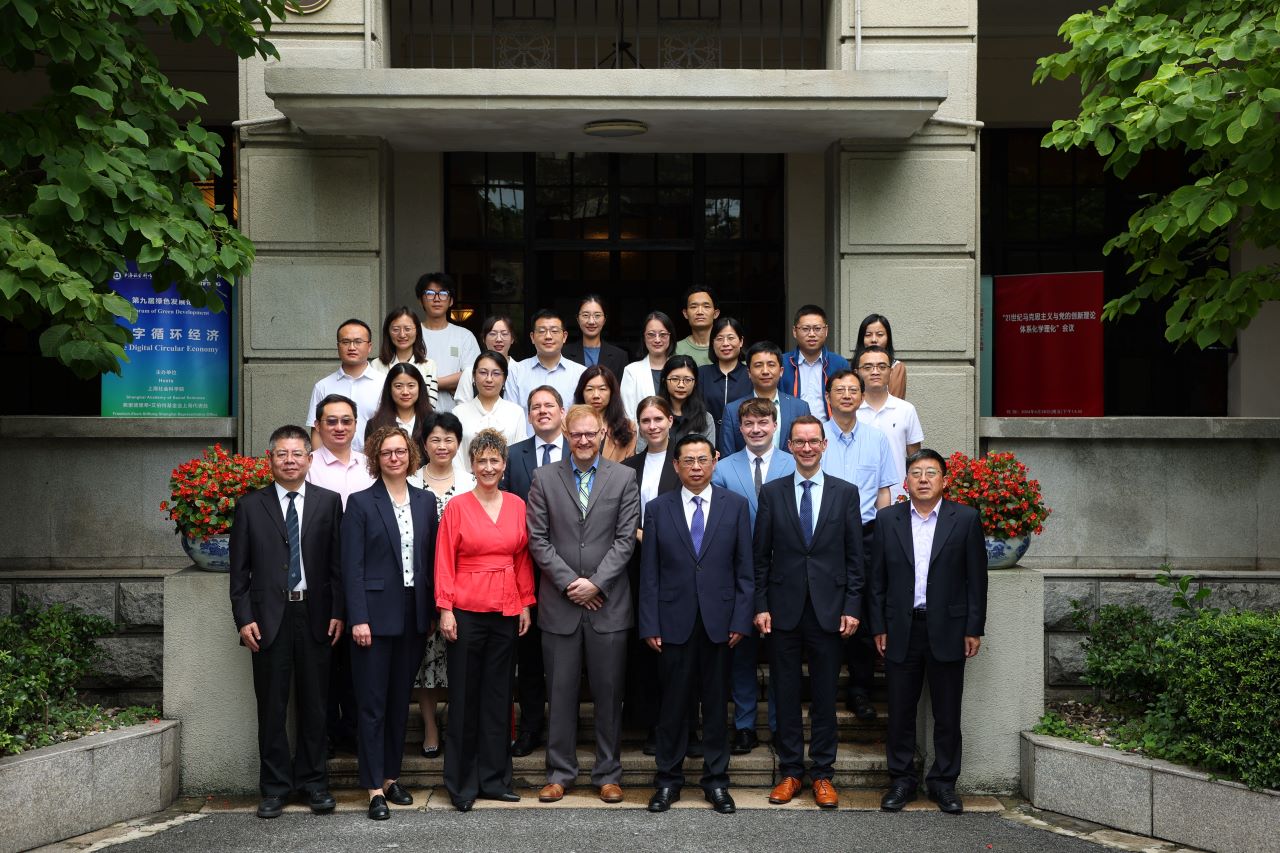
Austausch in Shanghai, "9. Forum Grüner Entwicklung - Die digitale Kreislaufwirtschaft" 2024, auf Einladung der Friedrich-Ebert Stiftung -
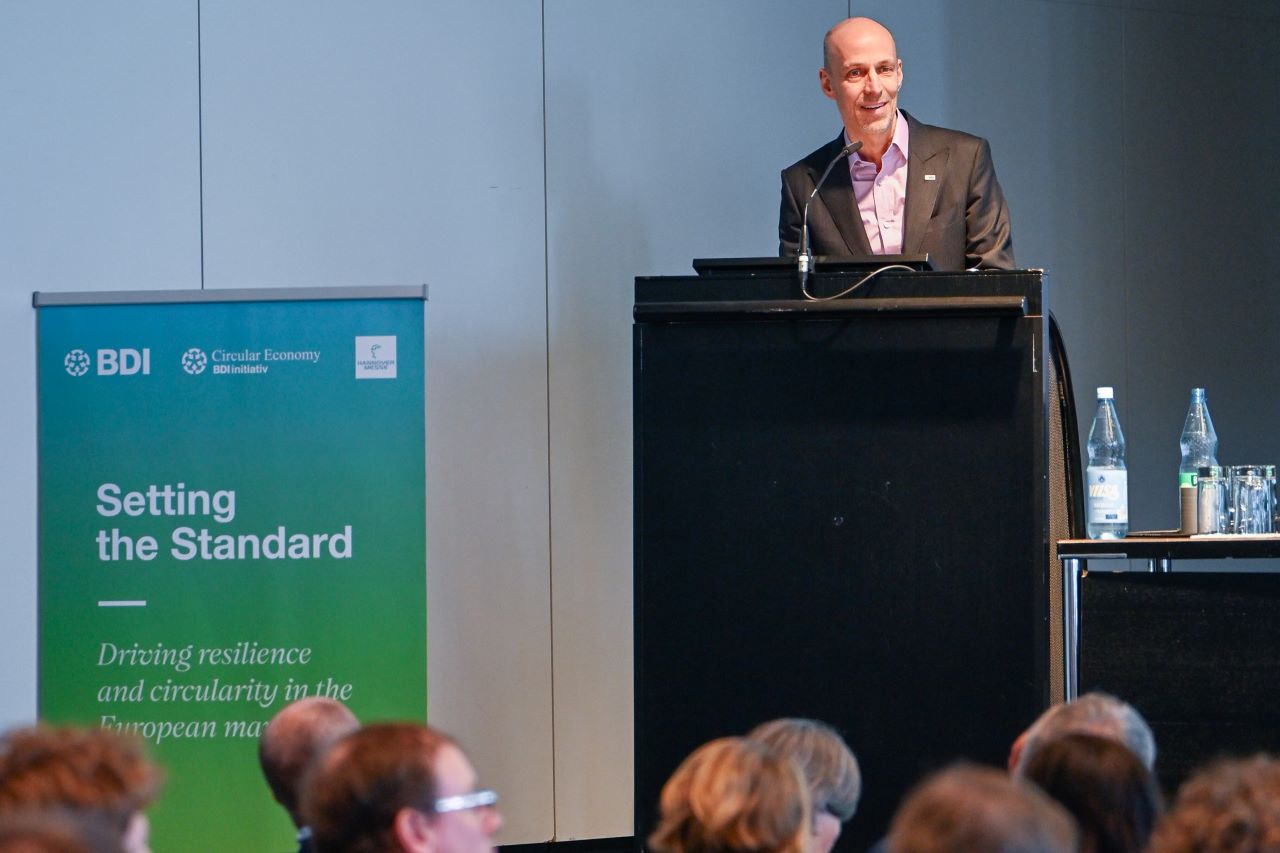
Peter Leibinger als Speaker auf der Hannover Messe 2025, "Setting the Standard" Veranstaltung der BDI-Initiative Circular Economy in Kollaboration mit dem BDI. @BDI -
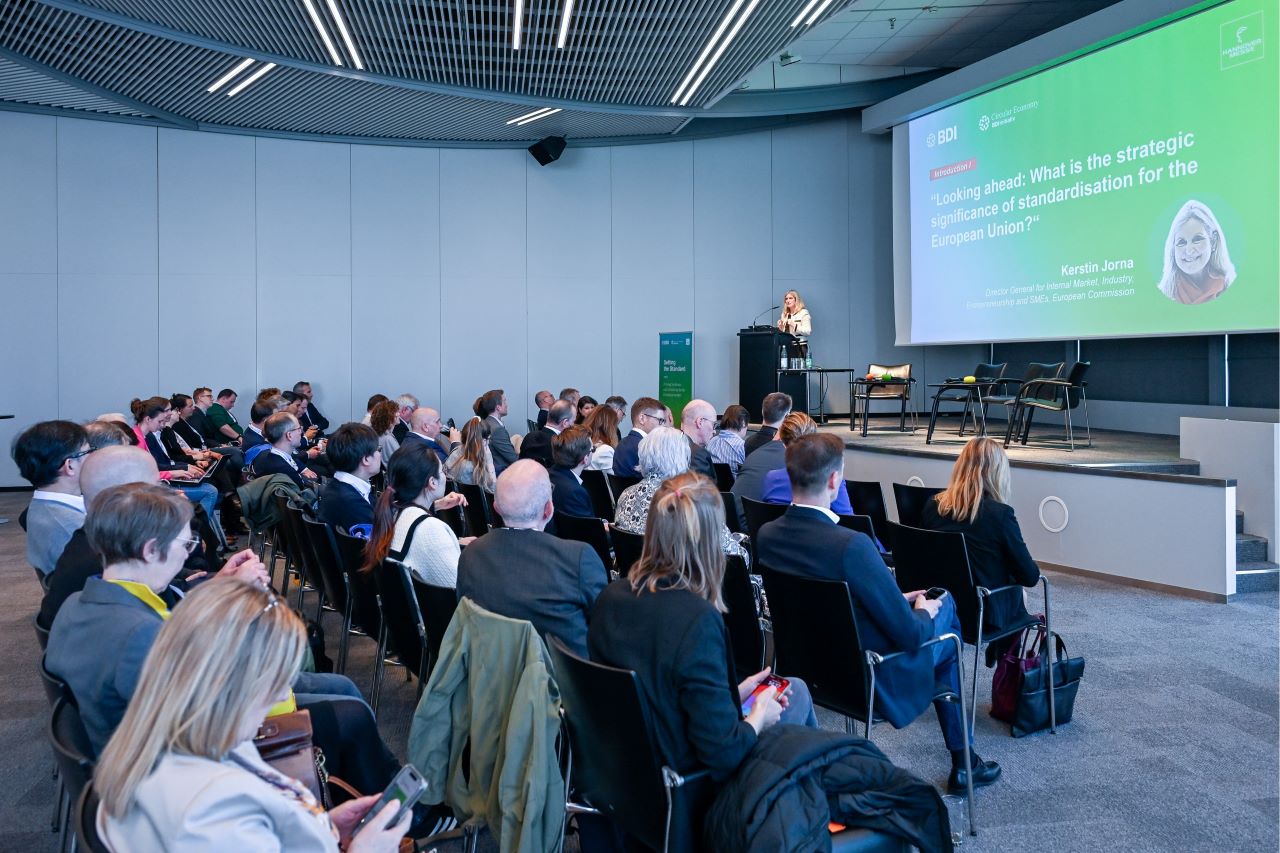
Kerstin Jorna als Speaker bei der Hannover Messe 2025, "Setting the Standard" Veranstaltung der BDI-Initiative Circular Economy in Kollaboration mit dem BDI. @BDI -
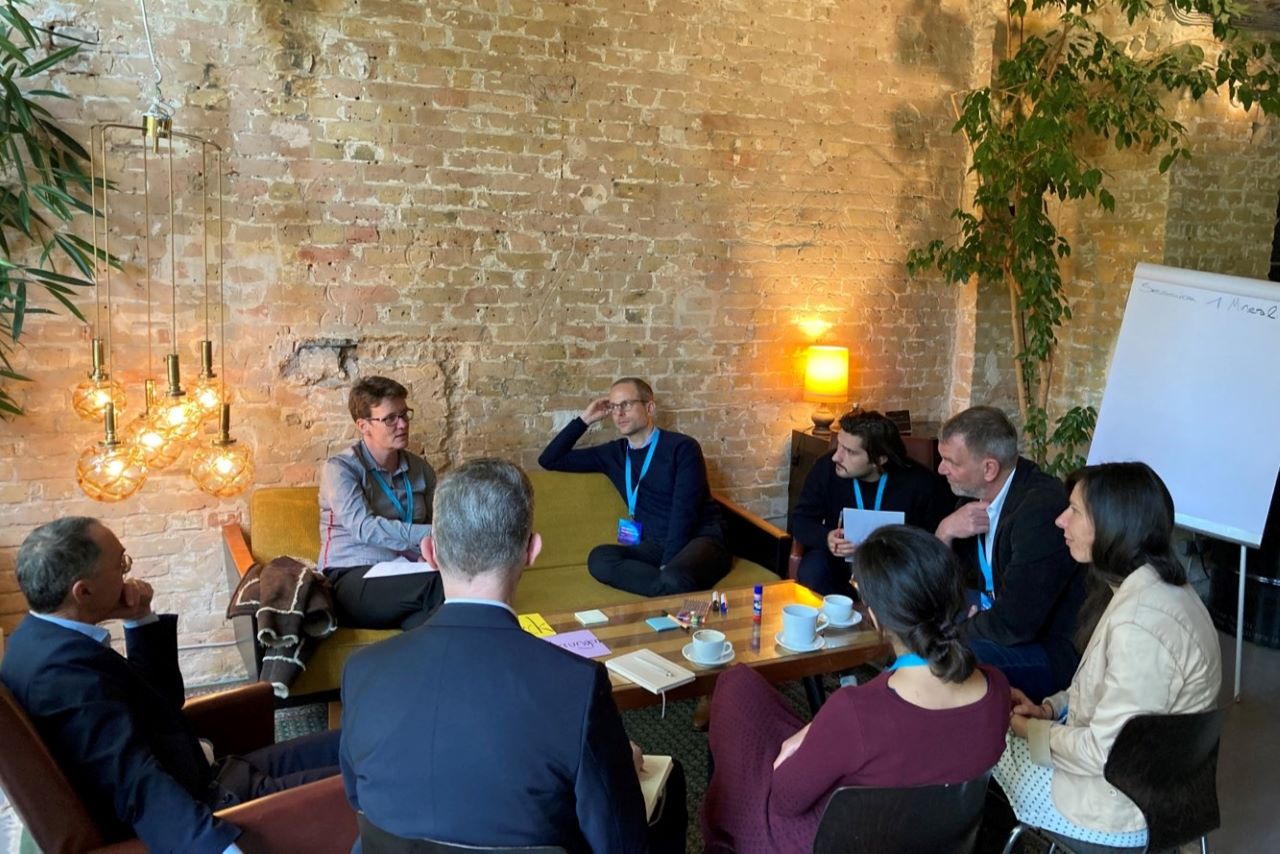
Diskussionen bei dem BDI-ICE Workshop "Deep Dive - Ende der Abfalleigenschaft" in Berlin in 2024.